
Key Takeaways
- Quartz countertops blend beauty and durability, making them ideal for busy kitchens.
- Daily cleaning with mild soap and prompt spill removal keeps quartz looking its best.
- Avoid harsh chemicals and heat exposure to maintain the surface’s integrity.
- Choosing the right color can simplify maintenance; light colors show stains, while mid-tones hide them better.
- Understand costs include more than just the material; installation and finish details also impact the total price.
Quartz countertops are a practical, polished choice for busy kitchens because they combine the look of stone with everyday durability. When people are building a custom home with us, choosing the kitchen’s design look is often one of their favorite parts, and the right countertops are a huge decision. Many of our customers choose quartz at our design center for all of their functionality and beauty. They still need the right care, though: simple cleaning habits, heat protection, and smart stain prevention will help your surface look newer for longer. Whether you already have quartz kitchen countertops or are comparing colors, slabs, and prices, this guide walks through what to know before and after installation.
How do you keep quartz countertops looking their best?
Keep quartz countertops looking their best by cleaning them daily with mild soap, warm water, and a soft cloth, then wiping spills promptly before they dry. Quartz is designed for real-life use, but it is not indestructible, so avoid harsh chemicals, abrasive pads, direct high heat, and cutting directly on the surface. With a few consistent habits, both premium and entry level quartz countertops can stay attractive and easy to live with.
The most important thing to remember is that quartz is engineered stone, not raw natural stone. It typically does not require sealing like many natural stone surfaces, which is one reason homeowners choose countertops for kitchens quartz materials over more maintenance-heavy options. That said, the resin and pigments that help create modern quartz countertops can react poorly to bleach, oven cleaner, strong degreasers, and prolonged heat.
A simple daily routine works well:
- Remove crumbs and grit with a soft cloth or non-scratch sponge.
- Wash the surface with warm water and a small amount of gentle dish soap.
- Rinse away residue so the surface does not look cloudy.
- Dry with a microfiber cloth to reduce streaks, especially on dark or polished finishes.
- Use trivets, cutting boards, and coasters as everyday protection.
Daily cleaning habits that prevent long-term problems
Daily care is less about scrubbing and more about preventing buildup. Food residue, cooking oils, soap film, and hard water spots can dull the shine if they sit too long. This is especially noticeable on white quartz, glossy black designs, and quartz countertops gray and white patterns where streaks can catch the light.
For sticky spills, place a warm, damp cloth over the spot for a few minutes, then gently lift the residue with a plastic scraper. Avoid metal tools because they can leave marks or damage the finish. If you need more cleaning power, use a quartz-safe surface cleaner and follow the product directions rather than experimenting with strong household chemicals.
Coffee, tea, wine, turmeric, tomato sauce, and makeup should be wiped quickly, especially on a white quartz slab or light-colored island. Quartz resists many common stains, but pigments can still create stubborn marks if ignored. Fast cleanup is the easiest maintenance tip you will ever use.
Protecting your countertop from heat, scratches, and impact
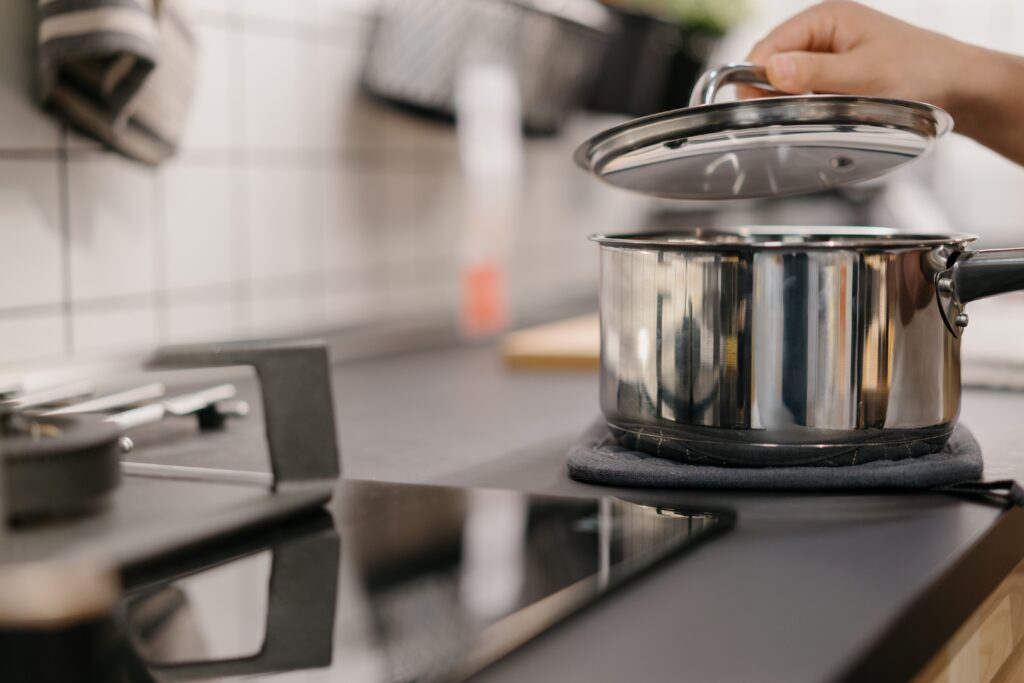
Quartz performs well in kitchens, but heat is one of the biggest risks. A hot pan, baking sheet, slow cooker, or air fryer placed directly on the surface can discolor or damage the resin. Always use trivets or heat pads, even if the counter feels strong enough to handle anything.
Cutting boards are just as important. Quartz is hard, but knives can leave metal marks, and repeated cutting can affect the finish over time. Cutting directly on the surface can also dull your knives, which makes food prep less safe and less pleasant.
Impact damage is another concern around edges, sink cutouts, and corners. Heavy pots, cast iron pans, and small appliances can chip an edge if dropped or dragged. A quartz island countertop often becomes the busiest surface in the room, so build protective habits where people cook, serve, unpack groceries, and gather.
Choosing colors that are easier to maintain
Quartz countertop colors affect not only style but also how much daily upkeep you notice. Light surfaces can show dark spills quickly, while dark surfaces may reveal dust, crumbs, fingerprints, or water spots. Mid-tone patterns are often forgiving because movement and veining help disguise everyday marks between cleanings.
Many homeowners love white quartz countertops colors because they brighten the room and pair well with wood, painted cabinets, and modern fixtures. If you want a softer look, explore white quartz countertops colors and patterns with warm veining, subtle gray movement, or a creamy base. A plain white quartz stone can feel crisp and minimal, while quartz marble countertops offer the elegance of marble-inspired veining with simpler maintenance.
Before choosing, always view quartz color samples in your own lighting. Showroom lights can make a slab look brighter, cooler, or warmer than it will appear at home. If possible, compare samples near your cabinets, flooring, backsplash, and natural light throughout the day.
Helpful color-selection tips include:
- Choose subtle patterning if you want crumbs and smudges to be less obvious.
- Compare polished and matte finishes because each reflects light differently.
- Use a sample under warm and cool bulbs before making a final decision.
- Ask whether the exact quartz slab you choose may vary from the small sample.
- Consider how the color will look with appliances, hardware, and wall paint.
What should you know about quartz cost before buying?
Quartz cost depends on the material, color, thickness, fabrication, edge profile, installation complexity, and local availability. Because every project is different, the best price for quartz countertops is not simply the lowest material price; it is the best combination of slab quality, accurate measurements, skilled fabrication, and reliable installation. If you are asking how much is quartz, expect the answer to vary based on the full project, not just the stone itself.
Shoppers often compare quartz tops prices by looking at the cost of quartz slab material, but that is only part of the budget. Cutouts for sinks and cooktops, seams, backsplashes, removal of old counters, delivery, and installation can all affect the final quote. The white quartz countertops cost may also vary depending on whether the design is basic, heavily veined, or part of a premium collection.
Quartz cost depends on the material, color, thickness, fabrication, edge profile, installation complexity, and local availability. Because every project is different, the best price for quartz countertops is not simply the lowest material price; it is the best combination of slab quality, accurate measurements, skilled fabrication, and reliable installation. If you are asking how much is quartz, expect the answer to vary based on the full project, not just the stone itself.
Shoppers often compare quartz tops prices by looking at the cost of quartz slab material, but that is only part of the budget. Cutouts for sinks and cooktops, seams, backsplashes, removal of old counters, delivery, and installation can all affect the final quote. The white quartz countertops cost may also vary depending on whether the design is basic, heavily veined, or part of a premium collection.
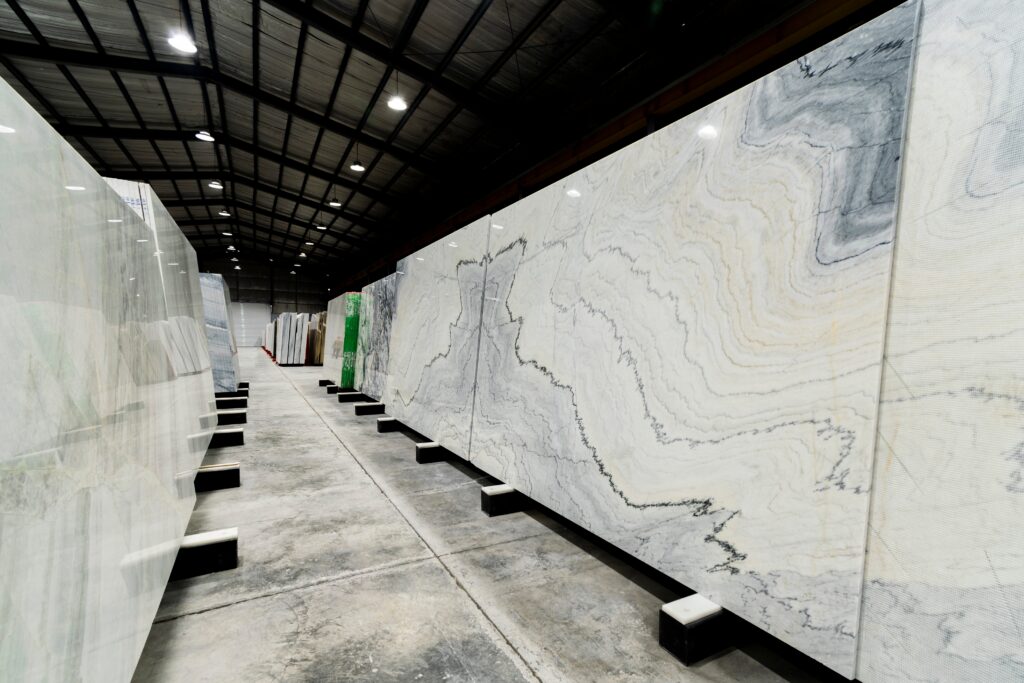
If you are searching for cheap quartz countertops, inexpensive quartz countertops, or even the cheapest quartz countertops, focus on value rather than shortcuts. A low quote may exclude services you need or use limited colors that do not match your design goals. On the other hand, entry level quartz countertops can be a smart choice for rental properties, laundry rooms, starter kitchens, or budget-conscious remodels when installed properly.
To compare quotes fairly, ask each supplier or fabricator for the same details:
- Material name, color, thickness, and finish
- Whether the quote includes fabrication and installation
- Edge profile options and any added charges
- Sink, faucet, and cooktop cutout details
- Seam placement and layout expectations
- Removal, disposal, delivery, and template fees
- Warranty information and care requirements
Finding deals without sacrificing quality
It is understandable to look for a quartz countertops sale, quartz countertops deals, or a white quartz countertops price that fits your renovation budget. The key is to know what kind of discount you are seeing. Some sales apply to select colors, remnants, discontinued patterns, or bundled installation packages.
Remnants can be especially useful for bathrooms, small kitchens, pantry counters, desks, and laundry rooms. For a large kitchen or waterfall island, however, you may need full slabs from the same batch so the pattern and tone look consistent. If you are choosing quartz countertops gray and white with visible veining, layout planning matters because veining should feel intentional across seams and edges.
When deciding where to buy quartz countertops, compare local fabricators, kitchen design showrooms, home improvement retailers, and stone yards. A local fabricator may offer more hands-on guidance, while a retailer may simplify purchasing and scheduling. Either way, ask to see full slabs when possible, especially for statement designs or quartz marble countertops where veining is a major part of the look.
Special care for white, marble-look, and modern quartz
White quartz is popular because it makes kitchens feel open, clean, and bright. It also rewards quick cleanup. A white quartz slab near a coffee station, range, or prep sink should be wiped often so splashes do not dry into visible marks.
Marble-look quartz adds movement and elegance without the same sealing routine many natural marble surfaces require. Still, bold veining can influence seam placement, so care starts before installation. Ask your fabricator how the quartz slab will be cut, where seams will fall, and how the veining will flow across the space.
Modern quartz countertops with dramatic patterns, matte finishes, or ultra-clean edges may need slightly different daily attention. Matte surfaces can show oils or fingerprints differently than polished ones. Waterfall edges and thick-looking built-up edges should be protected from impact, especially in high-traffic kitchens.
You may also see materials described as quarzo stone in some product searches or supplier descriptions. Whatever name is used, confirm the actual composition, care instructions, and warranty details before buying. Similar-looking products can have different maintenance requirements.
Mistakes to avoid with quartz countertops
Good quartz care is often about what not to do. Many problems happen when homeowners treat quartz like an outdoor workbench or assume resistance means immunity. A little caution protects your investment and keeps the surface looking refined.
Avoid these common mistakes:
- Placing hot pans, griddles, or countertop appliances directly on the surface
- Cleaning with bleach, drain cleaner, oven cleaner, or abrasive powder
- Using steel wool, rough scouring pads, or metal scrapers
- Cutting food directly on the countertop
- Standing or sitting on overhangs and unsupported areas
- Letting strongly colored spills sit overnight
- Dragging heavy appliances across the surface
- Ignoring manufacturer care instructions
These habits matter whether you purchased premium slabs, inexpensive quartz countertops, or found quartz countertops deals during a remodel. Care consistency matters more than price point once the counters are installed.
A simple maintenance checklist for busy kitchens
A practical routine makes care feel effortless. You do not need specialty tools for everyday cleaning, just a few reliable habits and the right protective accessories.
Use this checklist:
- Daily: Wipe counters with mild soap and water, then dry with a soft cloth.
- After cooking: Clean oils, sauces, spices, and acidic foods before they dry.
- Before using heat: Place trivets under pans, slow cookers, air fryers, and baking sheets.
- During prep: Use cutting boards for chopping, slicing, and serving.
- Weekly: Check corners, seams, and edges for residue buildup.
- As needed: Use a quartz-safe cleaner for stubborn spots and follow product directions.
- Always: Keep the care guide from your supplier or installer for warranty-safe cleaning.
Final takeaway
Quartz countertops are easy to enjoy when you choose the right color, understand the real project cost, and follow simple care habits from day one. Whether you prefer white quartz countertops colors, a dramatic quartz island countertop, or practical entry level quartz countertops, the same basics apply: clean gently, protect from heat, avoid harsh chemicals, and compare quotes carefully. With the right routine, quartz can remain a beautiful, functional centerpiece in your kitchen for years.
If you’re ready to start designing your perfect chef’s kitchen, give us a call. We’re ready to build you a home with your perfect dream kitchen!